Why DAF Performance Depends More on Process Design Than the DAF Itself
September 10, 2026
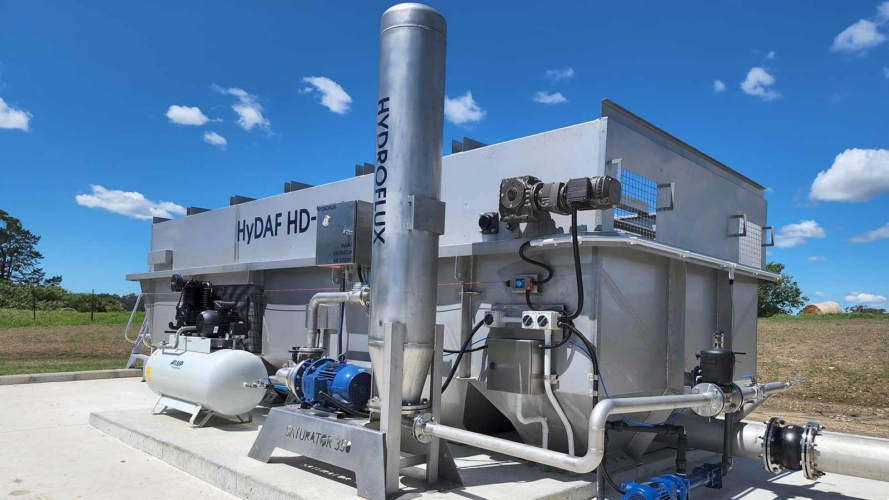
Most dissolved air flotation (DAF) manufacturers promote unique design features as the key to superior performance. Whether it is saturator design, bubble size, tank geometry, plate packs, scraper mechanisms, sludge removal systems or hydraulic arrangements, the message is often the same: their DAF produces better results than the competition.
While equipment quality is certainly important, the reality is that for most industrial wastewater applications the success of a DAF system is determined far more by application expertise, process design and chemical conditioning than by the specific DAF selected.
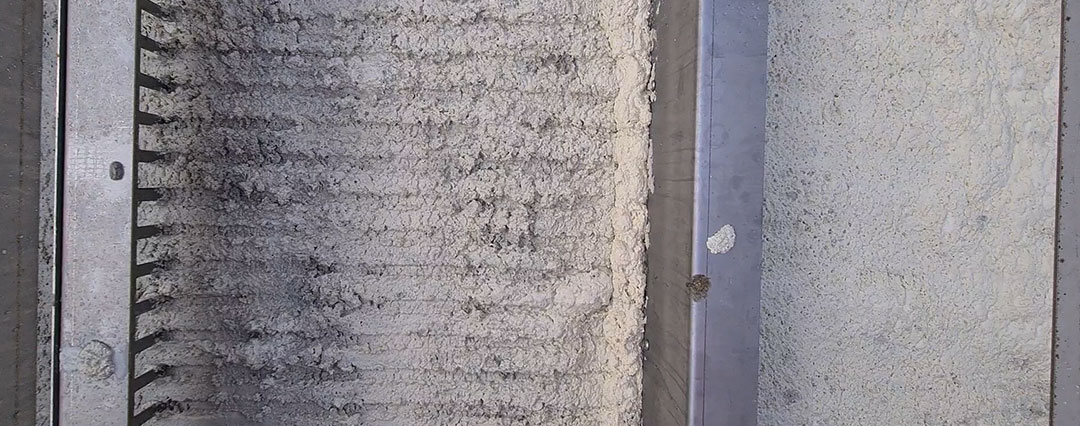
A well-designed DAF from any reputable manufacturer should be capable of achieving excellent separation performance. The challenge lies in understanding the wastewater being treated and designing the complete treatment process around it.
The DAF Is Only One Part of the Process
A DAF system is fundamentally a separation device. Its role in primary treatment of industrial wastewater is to float and remove particulate matter, including suspended solids, fats, oils and grease. However, the DAF can only separate what is presented to it. The effectiveness of the process depends largely on the characteristics of the particles entering the system and whether they have been properly conditioned for flotation.
This distinction is important because the effectiveness and measurement of the success of a DAF project depend not only on the wastewater characteristics but also on the treatment objectives.
In some applications, the DAF is simply being used to reduce the load prior to a downstream biological process. In these cases, relatively modest removal efficiencies may be entirely acceptable because it is often more cost-effective for the majority of the treatment to occur within the biological process. In other applications such as pretreatment prior to trade waste discharge, where very high solids removal is required, some form of chemical conditioning is typically necessary. When properly designed and operated, it is not uncommon for a DAF system to achieve greater than 99% suspended solids removal and significant reductions in BOD/COD and nutrients.

Application Expertise Determines Success
Successful DAF installations begin with a thorough understanding of the wastewater being treated, including fat, oil and grease content, soluble and insoluble BOD/COD concentrations, suspended solids characteristics, flow variability, pH, cleaning chemicals and production cycles.
This understanding is then used to develop the overall treatment strategy, including equalisation, pH correction, coagulation, flocculation and any other chemical dosing. In trade waste applications where chemical conditioning is essential, the optimisation of these processes often has a far greater influence on performance than the DAF itself.
The objective is to create particles that readily attach to air bubbles and separate efficiently. When this occurs, excellent flotation performance can be achieved with almost any well-designed DAF. When it does not, operators often blame the DAF when the root cause is actually poor process design or chemical conditioning.
This is not to suggest that DAF design is unimportant. Poor hydraulic design, inadequate air dissolution systems or unreliable sludge removal mechanisms can compromise performance and reliability. However, among established manufacturers with proven installations, performance differences are often much smaller than marketing claims would suggest.
For this reason, many wastewater treatment projects underperform not because the wrong DAF was selected, but because insufficient attention was given to wastewater characterisation, process design and chemical optimisation.
Conclusion
The question should not be “Which DAF is best?” but rather “Which supplier best understands my wastewater and how to treat it?”
A quality DAF from a reputable manufacturer is an important part of the solution, but it is rarely the factor that determines project success. The most successful wastewater treatment systems are those designed around the characteristics of the wastewater and the desired treatment outcomes, rather than around the flotation vessel itself.
To learn more about our industrial wastewater treatment solutions, please call us on 1300 417 697 or visit www.hydrofluxindustrial.au.
About the Hydroflux Group
The Hydroflux Group aims to deliver the highest level of engineering and scientific know-how to the emerging issues of sustainability, climate adaptation and environmental protection with a specific focus on water and wastewater.
As part of its vision and mission, Hydroflux has always taken its climate responsibility seriously. In 2022, Hydroflux became Australia’s first water treatment and technology company to achieve Climate Active carbon neutral certification for its organisation and products. It knows that partnering with customers and clients is the most significant impact it can have in its journey. The Group employs over 100 staff and operates throughout Australia, New Zealand and the Pacific Islands, with office locations in Sydney, Melbourne, Brisbane, Adelaide, Perth, Auckland, and Suva.
Up Next
Hydroflux to Exhibit at Water New Zealand Conference & Expo 2026
Categories
- Tradeshows
- Climate
- Community Engagement
- Corporate Announcements
- Group News
- Newsletters
- Product News
- Project Announcement